
Dog Care: A Complete Guide to Raising a Happy and Healthy Companion
Caring for a dog is one of the most rewarding experiences a person can have, yet it also comes with real responsibility that extends far beyond simply providing food and a place to sleep. Dogs rely on us completely for their physical health, emotional well-being, and daily quality of life. When we take the time to understand their needs and meet them consistently, we create a deep bond that lasts for years and gives both the dog and the owner a richer, more fulfilling life together.
1. Feed them right
Proper nutrition forms the foundation of good dog care. Choosing a high-quality dog food that matches your dog’s age, size, breed, and activity level is essential because every stage of life brings different nutritional requirements. Puppies need diets rich in protein and calories to support rapid growth, adult dogs require balanced maintenance formulas, and senior dogs often benefit from foods that support joint health and easier digestion. Fresh water must always be available, and sudden changes in diet should be avoided because they can upset a dog’s stomach. While the occasional healthy treat or small piece of dog-safe human food can be given, table scraps and fatty leftovers should be limited, as they can lead to obesity, pancreatitis, and other serious health problems over time.
2. Exercise daily
Daily exercise is equally important and should never be treated as optional. Most dogs need at least thirty to sixty minutes of physical activity every day, though the exact amount depends on breed, age, and energy level. A simple walk around the neighborhood is valuable, but adding play sessions such as fetch, tug-of-war, or a run in a safe open area provides both physical conditioning and mental stimulation. Dogs that do not receive enough exercise often develop behavioral issues such as excessive barking, chewing, or restlessness. Mental exercise is just as crucial; puzzle toys, scent games, and short training sessions tire a dog’s mind in a healthy way and help prevent boredom.
3. Groom regularly
Grooming is another area that many owners underestimate. Regular brushing removes loose hair, prevents painful mats, and keeps the coat healthy while also giving you a chance to check for lumps, parasites, or skin problems. Ears should be inspected and cleaned when needed to avoid infections, nails must be trimmed regularly so they do not grow too long and affect the dog’s posture or cause pain, and bathing should be done only as necessary with a gentle dog-specific shampoo. Dental care is frequently neglected yet remains one of the most important parts of long-term health. Brushing your dog’s teeth several times a week or providing dental chews and toys can dramatically reduce plaque buildup and help prevent the painful gum disease that affects so many dogs as they age.
4. Prioritize health
Preventive veterinary care is non-negotiable if you want your dog to live a long and comfortable life. Annual check-ups allow the veterinarian to catch problems early, update vaccinations, and recommend appropriate parasite prevention for fleas, ticks, and heartworm. Paying attention to subtle changes in appetite, energy level, drinking habits, or bathroom routines can alert you to health issues before they become serious. Building a good relationship with a trusted veterinarian means you have professional guidance whenever questions or emergencies arise.
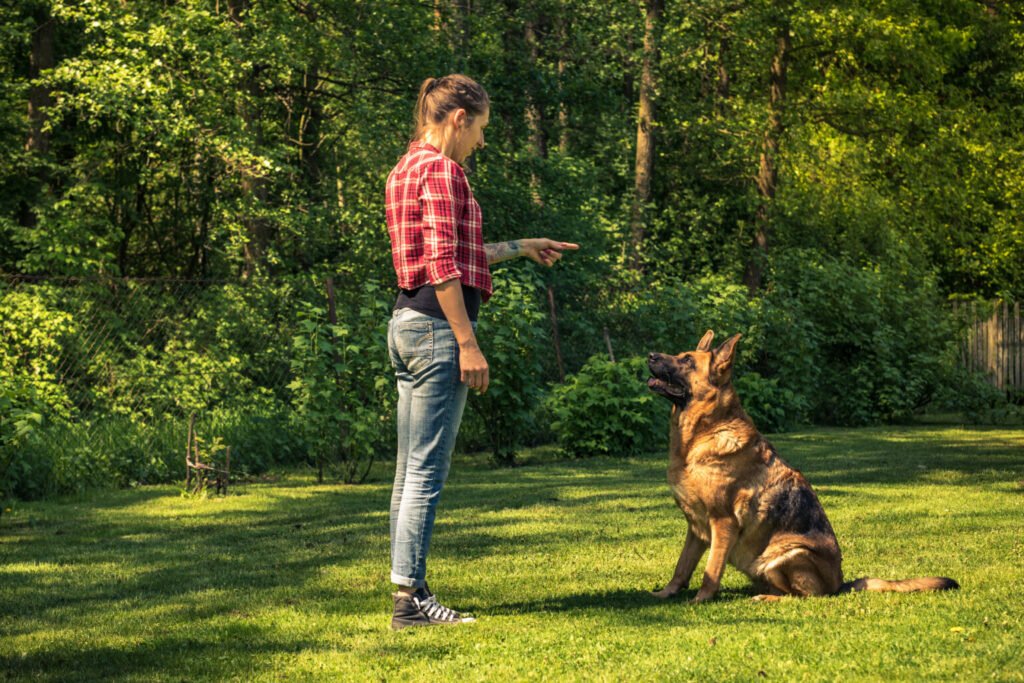
Training and socialization shape a dog’s behavior and confidence for life. Teaching basic commands such as sit, stay, come, and loose-leash walking through positive reinforcement creates clear communication and makes everyday life safer and more enjoyable. Early and ongoing socialization with different people, animals, and environments helps prevent fear and aggression. Consistent, patient training builds trust and gives the dog a sense of security because they understand what is expected of them.
Finally, creating a safe and loving home environment completes the picture of responsible dog care. Dog-proofing your house, providing a comfortable bed in a quiet place, and establishing a predictable daily routine all contribute to a dog’s sense of security. Dogs are social animals that thrive on companionship, so long periods of isolation without enrichment can lead to anxiety and destructive behavior. Spending quality time together—whether through play, training, or simply sitting side by side—strengthens the emotional bond that makes the relationship so special.
When we commit to meeting these needs with consistency and care, we give our dogs the best possible chance at a happy, healthy life. In return they offer us loyalty, joy, and unconditional affection that few other relationships can match. Taking the time to do dog care well is one of the greatest gifts we can give both our pets and ourselves.